The Power of a Heart Rate Monitor
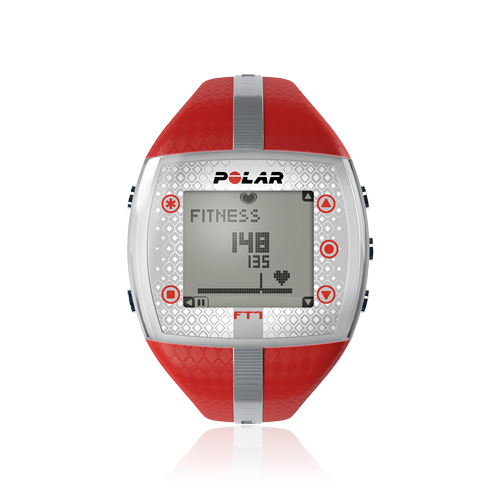
In my efforts to lose weight and become more fit, I decided to purchase one of these to evaluate it's use. I have always worked out and been able to stay pretty fit. However, with 3 kids and a business I just don't have the time as I did before. My goal has been to maximize my workouts. There is an important tidbit I did not know, simply because I have never monitored my heart rate. The longer I can stay within my calculated zone, the greater % of calories from fat I will burn. It may be less calories, but if my goal is to burn the fat, this is what I need to aim for. Well, I decided to test this out. I purchased the above and sampled a bootcamp class, running on a treadmill, RPM class, Cycle class, and walking. All these were done in a 45 minute time-frame. What I noticed is that the classes that burned the most calories, the % calories being burned from fat was lower. I also noticed my heart rate did not stay within it's target range in these high intensity classes. As you can imagine, it was much higher!!!!!
What does all this mean? For me, I only have a limited time to exercise and right now I am trying to burn as many calories from fat as I can! Therefore, I don't need to push myself in some of these classes and can scale back on the intensity level:) So, yes you do burn less calories but as long as you are keeping your calories in check and maximizing your time in your zone, it's a win-win! Below are a few excerpts I found while testing this out:
Fitness/Fat-Burning Zone (Fat Burning)
(60–75% of maximum heart rate) Burns more calories than a healthy heart at rest. Optimal fat burning consists of working out at a moderate intensity level you can sustain for long periods of time. This trains your metabolism so your body releases more fat from your fat cells throughout the day.
Aerobic Zone (Endurance Training)
(70–80% of maximum heart rate) Improves your cardiovascular and respiratory system and increases the size and strength of your heart. This is the preferred zone if you’re training for an endurance event. Your body burns more calories, 50% of them from fat.
(70–80% of maximum heart rate) Improves your cardiovascular and respiratory system and increases the size and strength of your heart. This is the preferred zone if you’re training for an endurance event. Your body burns more calories, 50% of them from fat.
High Intensity/Anaerobic Threshold Zone (Performance Training)
(80–90% of maximum heart rate) This is a high-intensity zone that burns more calories, around 15% of them from fat. You’ll benefit from an improved cardio respiratory system, fight fatigue better, and improve endurance. For optimal fat burning cardio, train at high intensities in short bursts of time (1–3 minutes each), recover, and repeat several times. This is the most efficient way to raise your metabolism and burn fat. You’ll burn 100% carbs as a source of energy during these bursts.
(80–90% of maximum heart rate) This is a high-intensity zone that burns more calories, around 15% of them from fat. You’ll benefit from an improved cardio respiratory system, fight fatigue better, and improve endurance. For optimal fat burning cardio, train at high intensities in short bursts of time (1–3 minutes each), recover, and repeat several times. This is the most efficient way to raise your metabolism and burn fat. You’ll burn 100% carbs as a source of energy during these bursts.
Red Line Zone (Maximum Effort)
(90–100% of maximum heart rate) Although this zone burns the most calories, it’s very intense and hard to maintain. Only train in this zone for short periods of time, and only if you’re in good shape and cleared by a physician.
(90–100% of maximum heart rate) Although this zone burns the most calories, it’s very intense and hard to maintain. Only train in this zone for short periods of time, and only if you’re in good shape and cleared by a physician.
Each zone has key aspects to overall fat burning. An optimal program consists of workouts in all zones each week. Each person’s heart rate will be different for each zone.
Calculate your estimated maximum heart rate with this formula:
Women, subtract your age from 226.
Men, subtract your age from 220.
Men, subtract your age from 220.
This is your age-adjusted maximum heart rate
Now take your age-adjusted maximum heart rate and calculate the following percentages for the various parts of your workout.
60% for your warm-up and cool down
65–75% for your moderate pace
75–85% for your vigorous or interval pace
65–75% for your moderate pace
75–85% for your vigorous or interval pace
For instance, a 40-year-old woman’s estimated maximum heart rate is 186 (226 – 40 = 186).
60% of her max = 112
65% of her max = 121
75% of her max = 140
85% of her max = 158
65% of her max = 121
75% of her max = 140
85% of her max = 158
Hope this little bit of information has helped! Just as with eating, if you have the right tools and knowledge it makes all the difference.
To Your Health!
Melanie Rubery MS RD LD CLT
Try our online nutrition program, Sensibalance FREE for 30 days! CLICK HERE!


